
Raising Self-Reliant Kids: How to Set Up a Montessori Playroom at Home
The Montessori methodology has evolved from a specialized educational philosophy into a global lifestyle trend. Google Trends statistics highlight a consistent annual growth in searches for "Montessori at home" and "independent toddler activities." Parents worldwide are discovering that fostering independence during the early years creates confident, self-reliant individuals who excel at critical thinking and emotional self-regulation.
Bringing this methodology into your household does not require an expensive teaching certification; it simply requires adjusting your child’s environment to match their physical capabilities.
The Core Principle: Follow the Child
Dr. Maria Montessori famously stated, "Help me to do it myself." Traditional playrooms often store items in deep, high toy boxes where children must rely on an adult to reach them. This setup creates dependence and frustration. The Montessori approach advocates for an accessible environment where every object has a designated home, allowing the child to choose their activity, concentrate on it, and clean up independently.
Steps to Set Up a Montessori-Inspired Space
Transforming your home into an intentional learning environment is easy when focusing on simplicity, beauty, and accessibility:
1. Choose Low, Open Shelving
Replace giant toy bins with low, child-sized shelves. Arrange a limited number of activities on trays or baskets, spaced out neatly. This visual clarity prevents sensory overload, helping your child focus deeply on one task at a time rather than dumping an entire box of mixed toys onto the floor.
2. Prioritize Natural, Purposeful Materials
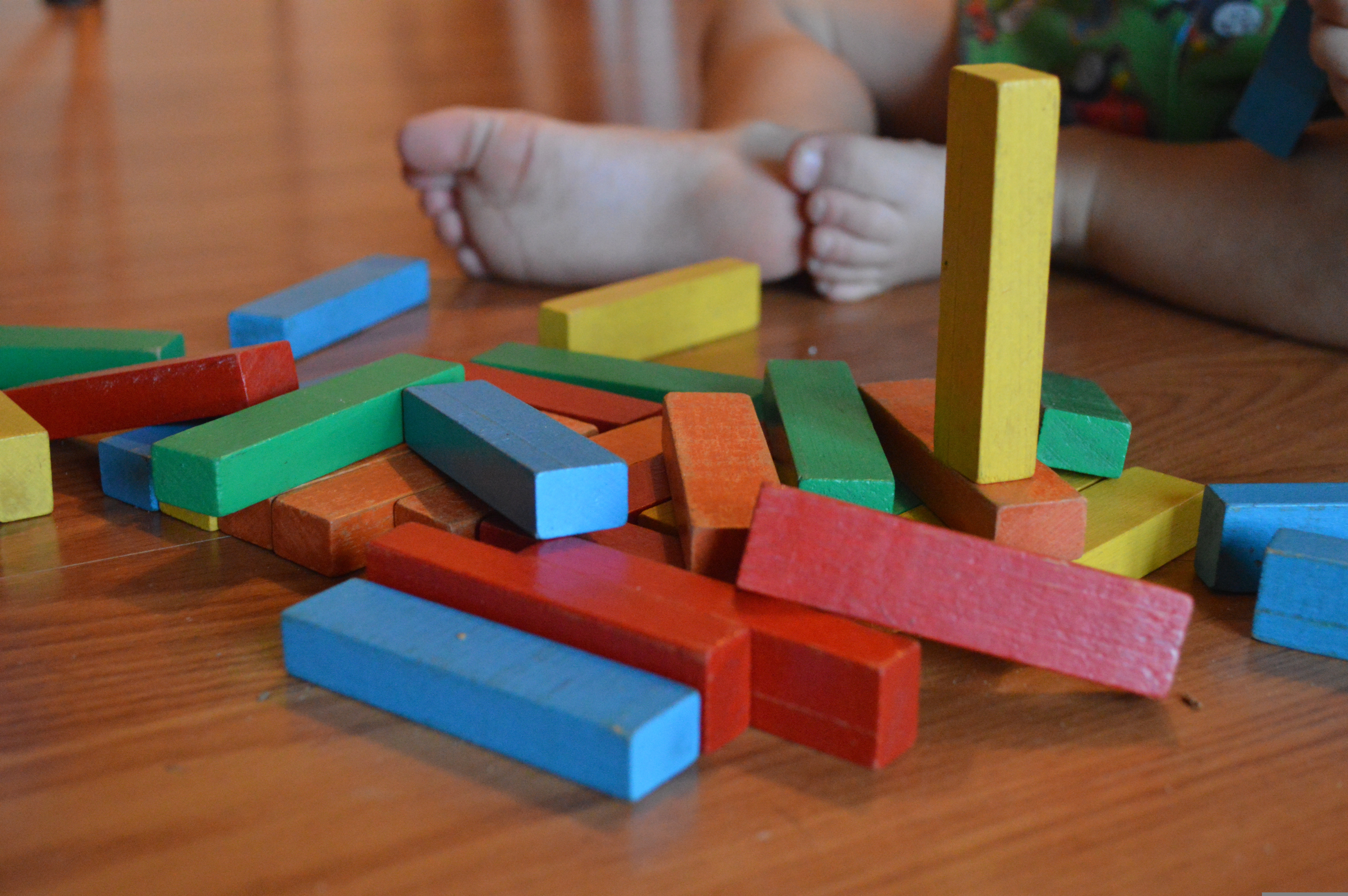
Montessori heavily emphasizes real-world connections. Flashy, battery-operated plastic toys that play loud music often put children in a passive role—they press a button and watch the toy perform. Montessori prefers high-quality wooden toys that require physical manipulation. Wooden stacking blocks, color-sorting logic boards, and geometric puzzles require active hand-eye coordination, teaching real concepts of physics, balance, and logic.
3. Ensure a Child-Safe Environment
A true Montessori room is a "yes space." This means every piece of furniture, shelf, and decoration is completely secure and safe for the child to explore without adult interference. Use heavy-duty, rounded-edge furniture anchored to walls, keep cords hidden, and display art at the child’s eye level rather than the adult's. When you don't have to say "don't touch that," your child gains the confidence to explore freely.
4. Foster Practical Life Skills
Incorporate your child into daily household activities. Place a small step stool in the kitchen so they can help wash vegetables. Set up a low hook near the front door for their backpack. Providing small, functional tools tailored to their size satisfies their natural desire to mimic adult routines, transforming chores into rewarding developmental milestones.
By making minor shifts toward accessibility and purposeful materials, you create an intentional space where your child feels respected and capable. Embrace the elegance of simplicity today, and watch your little student master new skills with pure joy and focus.
Bringing this methodology into your household does not require an expensive teaching certification; it simply requires adjusting your child’s environment to match their physical capabilities.
The Core Principle: Follow the Child
Dr. Maria Montessori famously stated, "Help me to do it myself." Traditional playrooms often store items in deep, high toy boxes where children must rely on an adult to reach them. This setup creates dependence and frustration. The Montessori approach advocates for an accessible environment where every object has a designated home, allowing the child to choose their activity, concentrate on it, and clean up independently.
Steps to Set Up a Montessori-Inspired Space
Transforming your home into an intentional learning environment is easy when focusing on simplicity, beauty, and accessibility:
1. Choose Low, Open Shelving
Replace giant toy bins with low, child-sized shelves. Arrange a limited number of activities on trays or baskets, spaced out neatly. This visual clarity prevents sensory overload, helping your child focus deeply on one task at a time rather than dumping an entire box of mixed toys onto the floor.
2. Prioritize Natural, Purposeful Materials
Montessori heavily emphasizes real-world connections. Flashy, battery-operated plastic toys that play loud music often put children in a passive role—they press a button and watch the toy perform. Montessori prefers high-quality wooden toys that require physical manipulation. Wooden stacking blocks, color-sorting logic boards, and geometric puzzles require active hand-eye coordination, teaching real concepts of physics, balance, and logic.
3. Ensure a Child-Safe Environment
A true Montessori room is a "yes space." This means every piece of furniture, shelf, and decoration is completely secure and safe for the child to explore without adult interference. Use heavy-duty, rounded-edge furniture anchored to walls, keep cords hidden, and display art at the child’s eye level rather than the adult's. When you don't have to say "don't touch that," your child gains the confidence to explore freely.
4. Foster Practical Life Skills
Incorporate your child into daily household activities. Place a small step stool in the kitchen so they can help wash vegetables. Set up a low hook near the front door for their backpack. Providing small, functional tools tailored to their size satisfies their natural desire to mimic adult routines, transforming chores into rewarding developmental milestones.
By making minor shifts toward accessibility and purposeful materials, you create an intentional space where your child feels respected and capable. Embrace the elegance of simplicity today, and watch your little student master new skills with pure joy and focus.